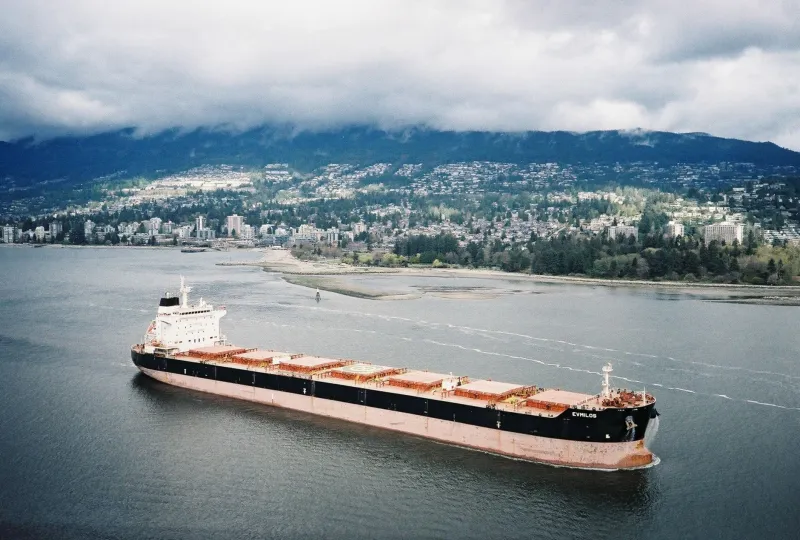
Beating the Bottleneck: A Strategic Playbook for Navigating Canadian Port Congestion in 2024–2025
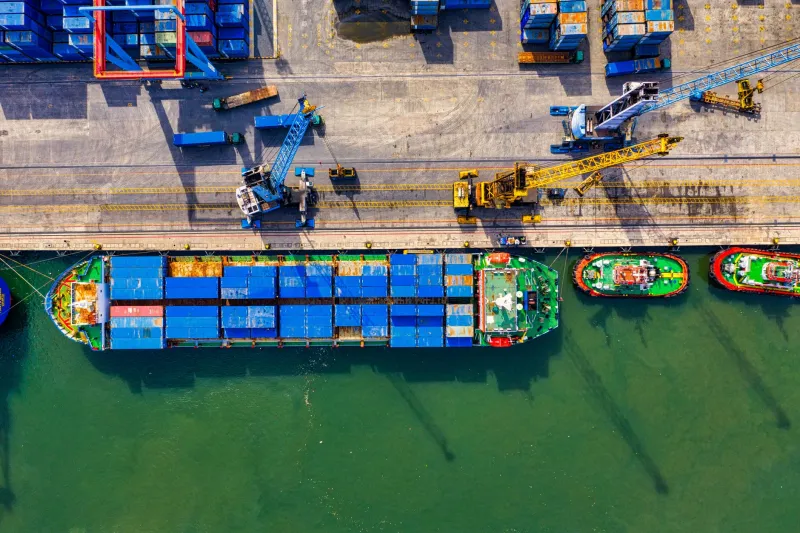
Canada's gateway ports are the arteries of its international trade — and like any artery, when they become congested, the consequences ripple far beyond the terminal gates. From the container yards of the Port of Vancouver to the berths of the Port of Montréal and the quays of the Port of Halifax, Canadian traders have faced persistent delays, equipment shortages, and unpredictable dwell times that have tested supply chain planners at every level.
The good news is that congestion, while frustrating, is not unmanageable. The traders who consistently outperform their competitors during periods of port disruption are not lucky — they are prepared. What follows is a practical, actionable playbook drawn from the operational realities of Canada's major port corridors, designed for B2B importers and exporters who cannot afford to leave their supply chains to chance.
Understanding the Congestion Landscape at Canada's Major Ports
Before deploying any mitigation strategy, it is important to understand the distinct characteristics of each major Canadian port and the specific pressures each faces.
Port of Vancouver (Port Metro Vancouver): Canada's largest and busiest port by tonnage, Vancouver handles the majority of Canada's transpacific container trade. Congestion here is frequently driven by a combination of vessel bunching (where multiple ships arrive simultaneously after weather delays), chassis shortages at terminal gates, and rail network capacity constraints connecting the port to inland distribution points. Labour negotiations have also historically created uncertainty, as seen in the 2023 work stoppage that disrupted thousands of containers.
Port of Montréal: Serving as the primary gateway for transatlantic trade and Canada's eastern manufacturing heartland, Montréal faces congestion patterns tied closely to seasonal demand surges, rail interchange bottlenecks with CN and CP networks, and berth scheduling pressures at the Viau and Cast terminals. Winter weather adds an additional layer of complexity to landside operations.
Port of Halifax: Halifax's deep-water advantage makes it a natural first-call port for vessels arriving from Europe, and it has grown considerably as shippers seek to bypass congestion at US East Coast ports. However, this growth has introduced its own capacity pressures, particularly in container storage and truck gate throughput.
Strategy 1: Book Early and Confirm Relentlessly
The single most effective congestion mitigation tool available to Canadian exporters and importers is advance booking — and not merely placing a tentative reservation. In the current market, securing a confirmed space on a specific vessel sailing requires early engagement with carriers or freight forwarders, ideally four to six weeks ahead of the intended load date for peak season cargo.
Equally important is the practice of active confirmation: following up with your freight partner to verify that equipment (containers and chassis) has been allocated, that the booking remains firm, and that no vessel substitutions or omitted port calls are anticipated. Carriers routinely roll cargo when capacity is overcommitted, and shippers who monitor their bookings proactively are far better positioned to respond.
At Ocean Impex Canada, our team maintains direct carrier relationships across major ocean lines calling Canadian ports, which allows us to flag potential roll risks before they become delivery failures.
Strategy 2: Embrace Port Diversification and Alternative Routing
Relying exclusively on a single port gateway is a strategic vulnerability that congestion events expose quickly. Canadian traders who have built flexibility into their routing options — even if they do not use them routinely — are significantly better positioned when primary ports become saturated.
Practical alternatives worth evaluating include:
-
Vancouver-to-Prince Rupert substitution: The Port of Prince Rupert, located approximately 750 kilometres north of Vancouver, offers a compelling alternative for transpacific trades. With less vessel traffic, faster gate turn times, and direct CN rail connections to Chicago and eastern Canadian markets, Prince Rupert has emerged as a genuine strategic option rather than merely a backup.
-
US gateway arbitrage: For certain cargo types and trade lanes, routing through Seattle/Tacoma or New York/New Jersey with subsequent cross-border trucking into Canada can offer meaningful time savings during peak Vancouver or Montréal congestion. Duty drawback and customs implications must be carefully evaluated, but the option is worth modelling.
-
Halifax as a transatlantic primary: For importers receiving European goods, designating Halifax as the primary port of entry rather than Montréal can reduce ocean transit time by two to four days and bypass Montréal's seasonal congestion patterns.
Strategy 3: Leverage Inland Container Depots and Off-Dock Storage
One of the most underutilised congestion mitigation tools in the Canadian market is the inland container depot (ICD) — a facility located away from the port terminal where containers can be staged, deconsolidated, or held without incurring port demurrage charges.
By arranging for containers to be moved from the marine terminal to an ICD as quickly as possible after vessel discharge — even before the cargo is ready for final delivery — importers can dramatically reduce their exposure to port demurrage, which can accumulate rapidly during congestion events when free time windows are exhausted.
Several ICD facilities operate in the Greater Vancouver area, the Montréal metropolitan region, and near Halifax Stanfield, offering flexible storage and devanning options that help decouple cargo availability from terminal congestion.
Strategy 4: Optimise Rail and Intermodal Connections
For cargo moving beyond the port's immediate hinterland — particularly shipments destined for Ontario, the Prairie provinces, or the US Midwest — intermodal rail is not merely a cost-saving option but a congestion management tool.
Shippers who pre-arrange rail bookings in conjunction with their ocean carrier bookings — rather than treating rail as an afterthought — secure priority positioning in rail allocation queues. Both CN and CP have intermodal reservation systems that reward advance planning with better equipment availability and more predictable transit times.
Additionally, exploring domestic short-sea shipping options along the St. Lawrence Seaway for cargo moving between eastern Canadian ports can relieve pressure on road networks during peak periods.
Strategy 5: Build Dwell-Time Awareness Into Your Documentation Process
A significant proportion of container dwell time at Canadian ports is attributable not to physical congestion but to documentation delays — missing or incorrect commercial invoices, packing lists, certificates of origin, or customs entries that hold cargo in a release-pending status while the vessel berth clock runs.
Implementing a documentation checklist protocol — ensuring that all customs and carrier documents are prepared and submitted before vessel arrival — eliminates a controllable source of delay. Working with a licensed customs broker who is integrated into your freight workflow, rather than operating as a separate engagement, further reduces the risk of documentation-related holds.
Strategy 6: Partner With a Freight Forwarder Who Has Real Port Intelligence
Perhaps the most enduring lesson from Canadian port congestion events is that information asymmetry determines outcomes. Shippers who receive real-time intelligence about terminal conditions, vessel ETAs, equipment availability, and carrier advisories consistently make better decisions than those who rely on carrier tracking portals alone.
An experienced freight forwarding partner with established relationships at Canadian port terminals, carrier operations teams, and customs authorities provides a layer of situational awareness that no technology platform fully replicates.
At Ocean Impex Canada, port intelligence is a core part of the service we provide to our clients. We monitor conditions at Vancouver, Montréal, and Halifax continuously, communicate proactively when disruptions are developing, and present alternative routing options before delays become crises.
A Final Word on Proactive Planning
Port congestion in Canada is unlikely to disappear in 2025. Infrastructure investment, labour relations, and the inherent variability of global shipping schedules mean that delays will remain a feature of the operating environment for the foreseeable future.
What separates the most effective Canadian traders from the rest is not the absence of disruption — it is the presence of a deliberate strategy to absorb, route around, and recover from it. The playbook outlined above is not theoretical; it reflects the approaches that experienced importers and exporters are applying right now to protect their supply chains and their customer commitments.
If your organisation is ready to move from reactive to proactive in its port congestion management, Ocean Impex Canada is prepared to help you build the framework that makes that possible.