Ocean Impex Canada Connecting Canada to Global Markets by Sea

Ocean Impex Canada

Connecting Canada to Global Markets by Sea

Latest Articles

Counting Every Cubic Metre: A Rigorous Framework for Choosing Between FCL and LCL in Canadian Ocean Imports
Logistics Strategy

Counting Every Cubic Metre: A Rigorous Framework for Choosing Between FCL and LCL in Canadian Ocean Imports

The decision between full container load and less than container load shipping is rarely as simple as comparing base freight rates. For Canadian mid-market importers, the true cost comparison involves consolidation timing, inventory carrying costs, and cargo-specific risk factors that fundamentally change the calculation at different volume thresholds. This article provides a structured analytical framework for making the right call.

Paper Trails and Port Penalties: The Hidden Cost of Documentation Errors in Canadian Ocean Freight
Logistics Strategy

Paper Trails and Port Penalties: The Hidden Cost of Documentation Errors in Canadian Ocean Freight

For Canadian B2B importers, a single missing certificate or misformatted data field can trigger a chain of delays that costs far more than the original shipment margin. This article examines the specific documentation pitfalls that are stalling cargo at Canadian ports and outlines the standards that every importer must master to protect their supply chain.

The Interior Route: How the St. Lawrence–Great Lakes Corridor Is Rewriting the Competitive Map for Canadian Importers
Industry Analysis

The Interior Route: How the St. Lawrence–Great Lakes Corridor Is Rewriting the Competitive Map for Canadian Importers

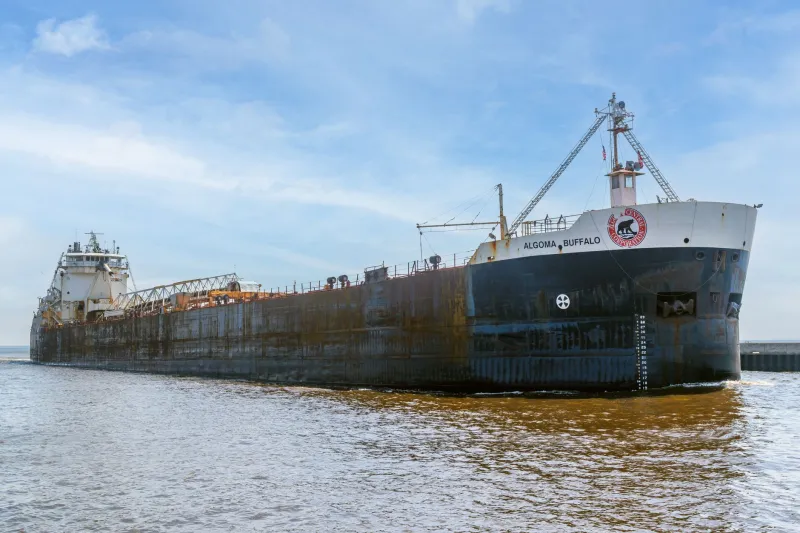
While Vancouver and Halifax absorb the headlines, a quieter routing revolution is under way along Canada's inland waterway network. Mid-market importers in central and eastern Canada are discovering that the St. Lawrence Seaway and Great Lakes system offer a compelling alternative to congested coastal gateways—one that is reshaping transit times, cost structures, and regional supply chain architecture.

Who Docks First: Understanding Berth Allocation Politics and Why Canadian Importers Pay the Price for Ignoring Them
Industry Analysis

Who Docks First: Understanding Berth Allocation Politics and Why Canadian Importers Pay the Price for Ignoring Them

The sequence in which vessels access berths at major ports is not random—it is the product of long-standing commercial relationships, terminal ownership stakes, and carrier-specific allocation agreements that most Canadian importers never see. Understanding how berth allocation works, and which carriers hold privileged access at key terminals, can meaningfully reduce delays, improve detention negotiations, and sharpen overall import planning.

Seeing the Ship Before It Arrives: How Real-Time Vessel Intelligence Is Reshaping Canadian Import Strategy
Logistics Strategy

Seeing the Ship Before It Arrives: How Real-Time Vessel Intelligence Is Reshaping Canadian Import Strategy

Most Canadian importers operate on outdated ETAs and port bulletins, leaving them exposed to supply chain disruptions that vessel tracking data could have predicted days in advance. Forward-thinking traders are now using live vessel intelligence to adjust inland logistics, strengthen force majeure claims, and outmanoeuvre competitors still flying blind on ocean movements.

The Return Trip Reimagined: Building a Profitable Reverse Logistics Model for Canadian Ocean Exporters
Industry Analysis

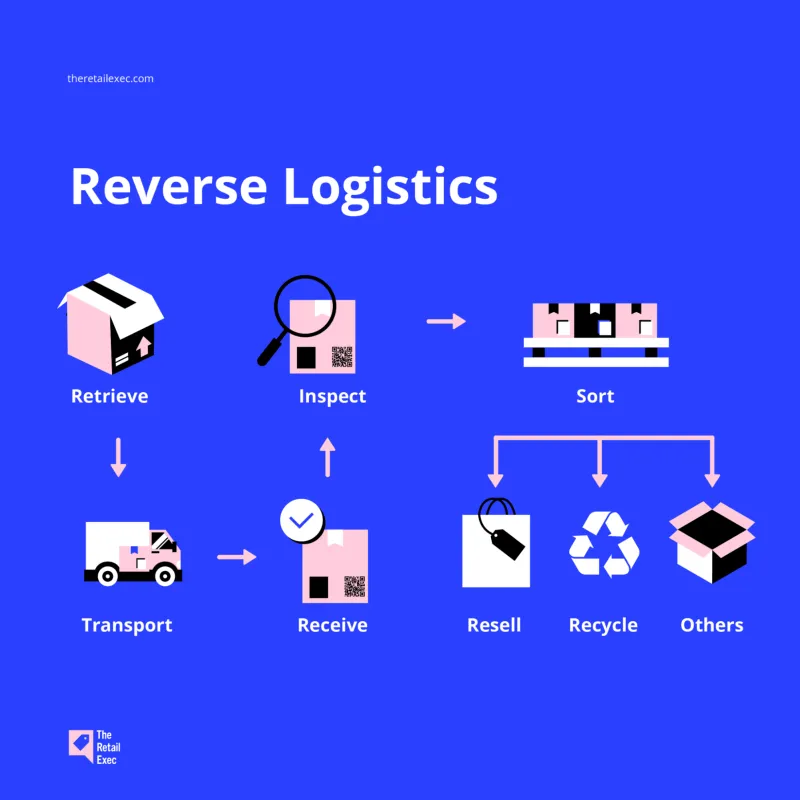
The Return Trip Reimagined: Building a Profitable Reverse Logistics Model for Canadian Ocean Exporters

Canadian exporters have long treated product returns and reverse ocean freight as unavoidable losses, absorbing the costs without examining the revenue potential embedded in the process. A growing number of companies are now restructuring their return flows to capture value through refurbishment, secondary market placement, and strategic consolidation—reframing a cost centre as a genuine commercial opportunity.

What You Don't Know Is Costing You: Exposing the Hidden Fee Architecture in Ocean Freight Pricing
Industry Analysis

What You Don't Know Is Costing You: Exposing the Hidden Fee Architecture in Ocean Freight Pricing

Ocean freight pricing has long operated within a culture of deliberate opacity, where base rates serve as little more than an opening position in a fee structure that compounds across surcharges, accessorials, and undisclosed intermediary margins. Canadian importers and exporters who accept quoted rates without demanding full cost disclosure are routinely paying premiums they cannot see and cannot challenge. This article examines the mechanisms behind freight rate opacity and outlines the contra

The Return Journey Pays: How Canadian Importers Are Turning Empty Container Repositioning Into a Margin Opportunity
Logistics Strategy

The Return Journey Pays: How Canadian Importers Are Turning Empty Container Repositioning Into a Margin Opportunity

Every empty container repositioned from a Canadian port back to an Asian or European origin represents a cost absorbed by someone in the supply chain—and an opportunity overlooked by most importers. A growing cohort of Canadian mid-market traders are restructuring their shipping arrangements to capture value from backhaul capacity and empty container repositioning, converting what was previously a logistical afterthought into a measurable source of additional margin.

Licensed to Ship: The Regulatory Blind Spots That Are Derailing Canadian Import Transactions Before They Begin
Logistics Strategy

Licensed to Ship: The Regulatory Blind Spots That Are Derailing Canadian Import Transactions Before They Begin

Many Canadian businesses commit to ocean freight contracts before discovering that the goods they intend to import require permits, licences, or agency approvals they do not hold. The consequences—ranging from cargo seizure to forfeited supplier deposits—can be severe. A structured pre-shipment regulatory audit is the single most effective tool for avoiding this costly trap.

The Clock Is Always Running: How Demurrage and Detention Charges Are Quietly Undermining Canadian Importer Profitability
Logistics Strategy

The Clock Is Always Running: How Demurrage and Detention Charges Are Quietly Undermining Canadian Importer Profitability

For many Canadian importers, the invoice that arrives weeks after a shipment clears customs is the one that does the most damage. Demurrage and detention fees — charges that accumulate when containers sit idle at ports or remain unreturned to carriers — are among the most misunderstood costs in ocean freight. Understanding how these charges work, and how to prevent them, is no longer optional for businesses that depend on reliable import margins.

Filling the Ship on Your Terms: How Canadian Importers Can Use Vessel Utilization Knowledge to Unlock Better Freight Rates
Logistics Strategy

Filling the Ship on Your Terms: How Canadian Importers Can Use Vessel Utilization Knowledge to Unlock Better Freight Rates

Shipping lines don't price ocean freight in a vacuum — their margin decisions are deeply tied to how efficiently they fill each vessel departure. Canadian importers who understand the mechanics of load planning and vessel utilization gain a quiet but powerful edge in rate negotiations, transforming their bookings from commodity transactions into strategic value propositions.

The Cross-Border Advantage: Why Smart Canadian Importers Are Routing Through U.S. Distribution Hubs
Logistics Strategy

The Cross-Border Advantage: Why Smart Canadian Importers Are Routing Through U.S. Distribution Hubs

A growing number of Canadian importers are discovering that the most direct route from origin port to Canadian warehouse is not always the most cost-effective one. By staging goods through U.S. inland distribution centres, mid-market businesses are reducing total landed costs and building meaningful supply chain resilience. This article examines the mechanics, trade-offs, and customs considerations of this increasingly popular cross-border strategy.

The Price of Hesitation: How Slow Decision-Making Costs Canadian Importers More Than They Realise
Logistics Strategy

The Price of Hesitation: How Slow Decision-Making Costs Canadian Importers More Than They Realise

In ocean freight, indecision is not a neutral act — it carries a measurable price tag. Canadian importers who delay booking commitments, postpone contract negotiations, or defer freight partner selections often discover that the market has moved decisively against them by the time they act. This article examines the compounding costs of slow decision-making and makes the case that agility is among the most undervalued competitive advantages in international trade.

The Carrier Advantage: Why Canadian Traders Who Cultivate Direct Shipping Relationships Consistently Outperform the Spot Market
Logistics Strategy

The Carrier Advantage: Why Canadian Traders Who Cultivate Direct Shipping Relationships Consistently Outperform the Spot Market

In an era defined by digital freight platforms and algorithmic rate engines, some of Canada's most successful importers and exporters are quietly gaining an edge through a resource no app can replicate: genuine relationships with ocean carriers. This article examines how direct carrier partnerships translate into preferential rates, priority bookings, and operational flexibility — and what mid-market Canadian traders can do to build these connections before the next market disruption arrives.

Ahead of the Wave: How Canadian Importers Can Master Seasonal Ocean Freight Cycles Before Rates Spike
Logistics Strategy

Ahead of the Wave: How Canadian Importers Can Master Seasonal Ocean Freight Cycles Before Rates Spike

Seasonal demand surges in ocean freight are predictable—yet Canadian importers continue to be caught off guard by rate spikes and capacity shortages year after year. This guide breaks down the key pressure points in the annual freight calendar and offers concrete strategies to secure space, lock in competitive rates, and build an inventory rhythm that turns seasonal volatility into operational advantage.

More Than a Middleman: How Canadian Freight Forwarders Are Redefining Their Role in Global Supply Chains
Logistics Strategy

More Than a Middleman: How Canadian Freight Forwarders Are Redefining Their Role in Global Supply Chains

The freight forwarder of a decade ago looked nothing like the strategic partner Canadian importers and exporters are working with today. As global trade grows more complex, forward-thinking forwarders are stepping beyond booking cargo space to influence inventory timing, carrier negotiations, and long-term supply chain architecture. For Canadian B2B operators, understanding this evolution could be the difference between a reactive logistics operation and a genuinely competitive one.

When the Dollar Dips: How Canadian Importers Can Turn Currency Volatility Into Ocean Freight Leverage
Logistics Strategy

When the Dollar Dips: How Canadian Importers Can Turn Currency Volatility Into Ocean Freight Leverage

The Canadian dollar's relationship with its U.S. counterpart is rarely stable—and for importers managing ocean freight budgets, that volatility cuts both ways. Understanding how to read currency movements and build them into freight negotiations can transform a macroeconomic headache into a genuine commercial advantage. This article outlines the strategies Canadian importers are using to do exactly that.

One Wrong Code, Thousands of Dollars Lost: How Tariff Misclassification Is Quietly Draining Canadian Import Budgets
Logistics Strategy

One Wrong Code, Thousands of Dollars Lost: How Tariff Misclassification Is Quietly Draining Canadian Import Budgets

Incorrect commodity classification under the Harmonized System is one of the most expensive—and most preventable—mistakes Canadian importers make. From inflated duty bills to CBSA penalties and shipment delays, the financial consequences of a wrong HS code can compound quickly. Understanding where errors most commonly occur, and how to audit your classifications before cargo reaches the border, is essential for protecting your bottom line.

Terminal Turbulence: What Canadian Importers Must Know About Shifting Port Operations in 2025
Logistics Strategy

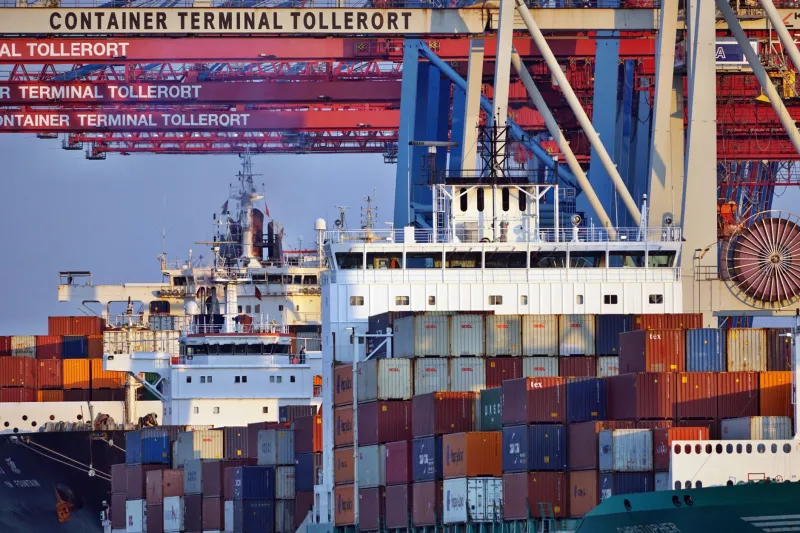
Terminal Turbulence: What Canadian Importers Must Know About Shifting Port Operations in 2025

Across Canada's major marine gateways, terminal operator changes and service realignments are quietly reshaping import timelines and cost structures. For Canadian businesses relying on predictable ocean freight delivery, understanding these shifts is no longer optional — it is a core component of supply chain resilience. This article examines recent developments at key Canadian ports and offers practical strategies for reducing exposure to single-operator vulnerabilities.

Bridging the Cash Gap: How Canadian Importers and Exporters Are Using Trade Finance to Keep Ocean Freight Moving
Logistics Strategy

Bridging the Cash Gap: How Canadian Importers and Exporters Are Using Trade Finance to Keep Ocean Freight Moving

Extended ocean freight timelines create significant working capital pressure for Canadian businesses engaged in international trade. By strategically deploying trade finance instruments—letters of credit, supply chain financing, and receivables factoring—mid-market firms are decoupling their cash flow cycles from vessel schedules. This article examines how those tools are being applied in practice, and what Canadian B2B operators need to know to follow suit.