The Return Journey Pays: How Canadian Importers Are Turning Empty Container Repositioning Into a Margin Opportunity
The Asymmetry That Quietly Defines Canadian Ocean Freight
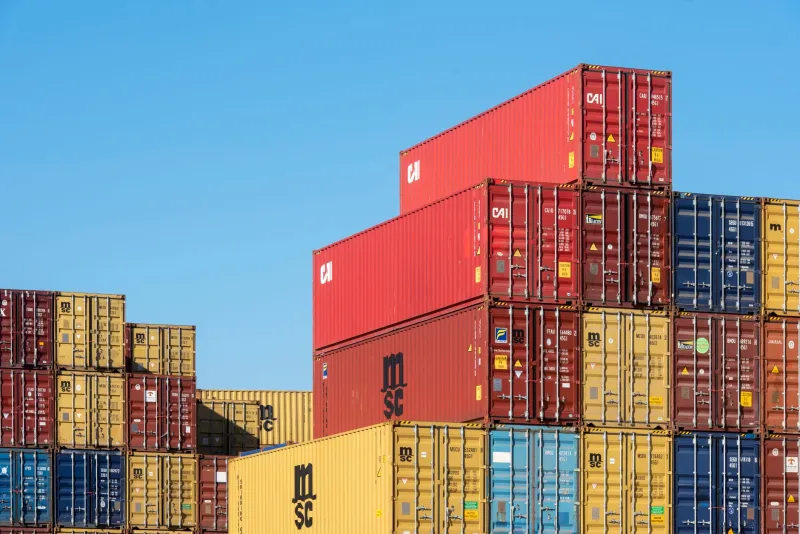
Canada's trade balance with many of its primary import partners—notably China, South Korea, and Germany—creates a structural imbalance in container flows. Significantly more full containers arrive at Canadian ports than depart from them on the same trade lanes. The consequence of this asymmetry is a persistent surplus of empty containers that must be repositioned—returned to origin ports at cost, typically borne by carriers—before they can be loaded again.
For carriers, empty repositioning is a necessary operational expense. For Canadian importers, it has historically been an invisible footnote in the logistics process. But for a small and growing number of mid-market Canadian traders, this structural imbalance has become a commercial opportunity—one that requires a shift in perspective from logistics as a cost centre to logistics as a potential revenue contributor.
Understanding the Empty Leg Problem
In the air cargo industry, the concept of the "empty leg"—where aircraft reposition without payload—is well understood, and the secondary market for discounted empty-leg flights is well established. The equivalent dynamic in ocean freight is less visible but economically analogous.
When a Canadian importer receives a full container of goods at the Port of Montreal or the Port of Vancouver, the carrier's obligation is to recover that container and return it to a position where it can generate revenue again. If Canadian export volumes on the return trade lane are insufficient to fill available containers, the carrier repositions empties at their own cost—or, increasingly, seeks arrangements with exporters or logistics intermediaries who can provide return cargo at a discount to the standard market rate.
This is the space that creates opportunity for Canadian importers who are willing to think beyond their inbound freight programme.
Three Models for Capturing Backhaul Value
Model 1: Direct Export Backhaul Negotiation
Canadian importers who also export—or who have commercial relationships with Canadian exporters—are positioned to negotiate backhaul arrangements directly with their ocean carriers. In a backhaul negotiation, the importer (or their logistics partner) offers to fill return containers that would otherwise reposition empty, in exchange for a significantly discounted freight rate on the export leg.
Carriers are motivated to engage in these arrangements because any revenue recovered from a return leg that would otherwise generate zero income improves their asset utilisation. The discount available to the Canadian shipper can be substantial—in some trade lanes, backhaul rates have been negotiated at thirty to fifty percent below prevailing market rates for equivalent export capacity.
A mid-sized Canadian manufacturer of agricultural equipment components that imports raw steel and fabricated parts from South Korea, for example, may find that its carrier is willing to offer deeply discounted rates on outbound containers carrying finished components back to the Asian market—provided the volumes are consistent and the booking lead times are manageable.
Model 2: Freight Brokerage and Third-Party Backhaul Partnerships
For Canadian importers who do not export but maintain strong relationships with their logistics partners, there is an alternative model: acting as an informal intermediary between carriers with surplus empty repositioning capacity and Canadian exporters seeking affordable ocean freight.
In this arrangement, the importer leverages their existing carrier relationships and volume commitments to access discounted backhaul capacity, which they then offer to Canadian exporters—typically small and medium-sized enterprises (SMEs) that lack the volume to negotiate directly with carriers—at a modest mark-up. The importer earns a brokerage margin without taking on the operational complexity of the export transaction itself.
This model requires a clear understanding of the regulatory framework governing freight intermediation in Canada and may necessitate registration as an NVOCC or engagement with a licensed freight forwarder as a structural partner. However, for importers with strong carrier relationships and access to reliable export-side demand, the margin potential is meaningful.
Model 3: Structured Container Repositioning Partnerships
A third, more sophisticated model involves entering into a structured repositioning agreement with a carrier or terminal operator. Under such an arrangement, the Canadian importer commits to managing the repositioning of a defined number of containers per month—coordinating their movement from inland depots or port facilities to export loading points—in exchange for a fee or a credit against their inbound freight costs.
This model is most accessible to importers with high container volumes and the operational infrastructure to manage container tracking and coordination. It is also the model that generates the most predictable return, since the compensation is contractually defined rather than dependent on finding export cargo for each individual movement.
A Case Study in Margin Recovery
Consider the experience of a Canadian consumer goods distributor based in Ontario, importing housewares from China through the Port of Vancouver. At peak, the business was moving approximately eighty full containers per year inbound, with no corresponding export activity. Every container was returned empty to the carrier after devanning.
After engaging a logistics consultant to assess their carrier relationships, the distributor identified that their primary carrier was repositioning a significant proportion of its Vancouver empties to Shanghai at cost. The distributor approached the carrier with a proposal: they would identify and coordinate export cargo from two Canadian agricultural exporters in Saskatchewan—canola meal destined for Chinese feed markets—and manage the container handoff, in exchange for a credit of $450 per container against their inbound freight invoices.
The carrier agreed. Over the following twelve months, the distributor coordinated the return of thirty-four containers carrying agricultural products, generating a credit of approximately $15,300 against their inbound freight costs. The operational overhead—primarily coordination time and communication with the agricultural exporters—was modest. The net margin improvement was direct and measurable.
Building the Capability Internally
Captivating value from backhaul and empty container repositioning is not a passive exercise. It requires Canadian importers to develop capabilities that extend beyond their traditional inbound logistics function.
Key investments include: a more sophisticated understanding of carrier contract structures and how repositioning costs are allocated; relationships with Canadian exporters who may benefit from discounted outbound capacity; and the internal or external operational capacity to coordinate container movements across multiple parties.
For businesses that are willing to make these investments, the return is not merely financial. Importers who demonstrate to their carriers that they can contribute to the solution of the empty repositioning problem are positioned as more strategic partners—and strategic partners routinely receive preferential treatment in capacity allocation, rate negotiations, and service recovery situations.
Logistics as a Profit Centre
The conventional view of ocean freight logistics is that it is a cost to be minimised. The businesses that are consistently outperforming their peers in Canadian international trade are beginning to challenge that assumption. By identifying the structural inefficiencies in the freight market—including the empty repositioning problem—and positioning themselves to extract value from those inefficiencies, they are turning what was once a cost centre into a source of competitive advantage.
The return journey, it turns out, does not have to be empty.